UAE Real Estate Stability: Why Property Remains a Safe Investment in 2026
Mar 20, 2026
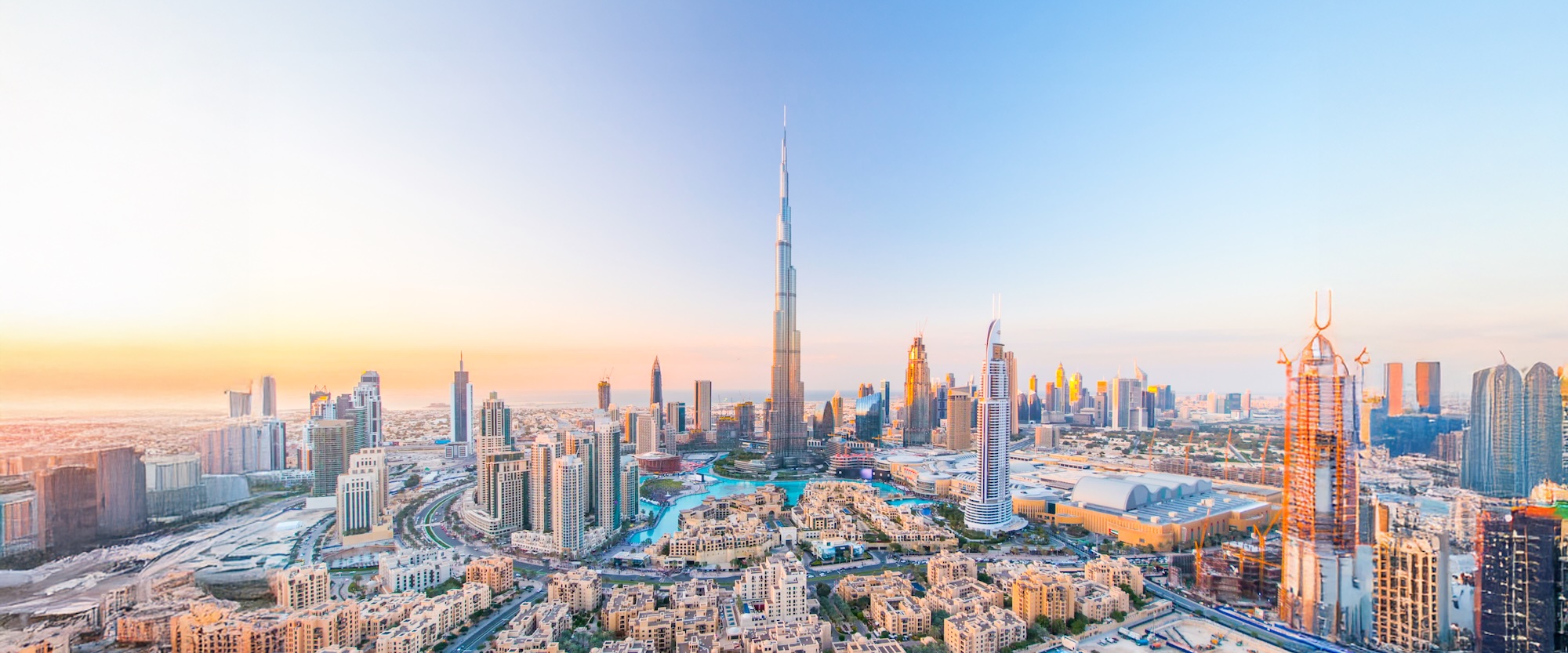
The UAE real estate market continues to reinforce its position as one of the most resilient investment destinations globally. In periods of regional or global uncertainty, investors look for three core indicators: operational continuity, regulatory transparency, and transaction stability—all of which the UAE continues to demonstrate at scale.
Recent regional developments triggered precautionary aviation and operational measures across the Middle East. In the UAE, these were implemented in a controlled, coordinated, and temporary manner, with no prolonged disruption to economic activity. Core sectors—including retail, logistics, hospitality, and government services—remained fully operational, while property transaction and registration platforms continued functioning without interruption.
Real-Time Market Activity: Data-Backed Stability
One of the strongest indicators of market resilience is the continuity of transaction reporting. During this period, the Dubai Land Department and Abu Dhabi authorities continued publishing live data, allowing investors to monitor market performance in real time.
Transaction Snapshot (March 1–9):
- Dubai 2026: 3,193 transactions | AED 11.3B
- Dubai 2025: 5,229 transactions | AED 17.6B
- Dubai 2024: 5,088 transactions | AED 14.3B
- Abu Dhabi 2026: 943 transactions | AED 4.3B
- Abu Dhabi 2025: 346 transactions | AED 0.9B
- Abu Dhabi 2024: 523 transactions | AED 1.9B
While short-term fluctuations in volume are natural during uncertain periods, the critical takeaway is not volume—but continuity. Transactions are still happening, capital is still flowing, and systems remain fully operational.
In fact, broader data trends show sustained demand:
- Transaction volumes remained above 4,000+ deals even in 2026 short-term windows
- Market value has consistently ranged between AED 15B–18B in comparable periods
- Capital flows remain increasingly international in nature, supporting long-term growth
Institutional Strength & Governance
A defining characteristic of the UAE is its institutional response framework. Government entities, aviation authorities, and infrastructure departments maintained active communication, applying measures in phases and lifting them systematically as conditions stabilised.
This level of coordination is not reactive—it is structural. It reflects:
- Mature governance systems
- Predictable regulatory frameworks
- High investor protection standards
For those looking to buy property in Dubai, this translates into low systemic risk compared to many global markets.
Historical Performance: Proven Through Cycles
The UAE real estate market has consistently demonstrated its ability to recover and expand after global shocks:
- 2008 Financial Crisis: ~50% correction → ~100% recovery (2010–2014)
- COVID-19 (2020): ~10% correction → ~60% growth by 2022
- 2024 UAE Floods: Minimal disruption → Transactions +38% vs prior periods
- 2026 Uncertainty: Short-term caution, but systems remain fully active
The pattern is clear: corrections trigger reforms, reforms attract capital, and capital drives expansion.
Structural Drivers Supporting Long-Term Growth
Beyond short-term conditions, the UAE's real estate strength is underpinned by long-term fundamentals:
- Transparent and well-regulated property market
- Escrow protections for off-plan investments
- World-class infrastructure and urban planning
- Strong developer ecosystem (Emaar, Aldar, Nakheel, etc.)
- Population growth driven by global migration
- Residency incentives linked to property ownership
- Increasing participation from institutional investors
These factors continue to position the UAE as a leading destination for:
- Off-plan property in Dubai
- Luxury villas in Dubai
- New apartments for sale in Dubai
- High-yield investment properties
Investment Perspective: What Smart Investors Look For
Periods of geopolitical uncertainty are not anomalies—they are part of global market cycles. The key question is not whether volatility exists, but how a market performs under pressure.
The UAE continues to demonstrate:
- Full continuity of infrastructure and services
- Transparent, real-time market data
- Consistent transaction activity
- Strong international investor demand
For investors, this creates a unique environment where risk is managed, not avoided—and where opportunities often emerge during periods of hesitation.
Conclusion: Stability is Structural, Not Situational
Over the past two decades, the UAE real estate market has repeatedly delivered the same outcome: resilience, recovery, and growth.
Stability in the UAE is not temporary.
It is built into the system.
For global investors looking to buy luxury property in Dubai, secure long-term returns, or diversify into a stable international market, the UAE remains one of the most compelling opportunities today.